Local Reviews in 2026:
Why UK SMEs Win or Lose on Them
📌 Quick Summary:
This guide explains why local reviews determine success or failure for UK SMEs in 2026, covering regulatory changes, consumer behaviour shifts, competitive dynamics, and practical review generation strategies. Written for UK small business owners who need to understand how online reputation directly impacts revenue whilst navigating new CMA regulations making fake reviews illegal with direct fining powers.
Estimated reading time: 6 minutes
Introduction
In 2026, local reviews explain why two similar UK businesses produce wildly different sales outcomes. One plumber gets twenty enquiries monthly, another gets five. The difference isn’t skill—it’s reputation reflecting review volume, recency, and quality.
The regulatory landscape transformed dramatically with the CMA now having direct fining powers and fake reviews expressly banned. Simultaneously, consumer behaviour shifted further toward review-dependent purchasing decisions.
This article addresses why local reviews matter more than ever, how new regulations affect UK SMEs, practical strategies for generating authentic reviews ethically, and measurement frameworks proving whether review efforts produce commercial returns.
Why Local Reviews Decide UK SME Success in 2026
Search rankings depend heavily on review signals. Google’s algorithm prioritises businesses with strong review profiles when displaying local search results. Two Birmingham plumbers offering identical services see dramatically different visibility based solely on one having 87 recent reviews averaging 4.8 stars whilst the other has 12 reviews from 2023.
Reviews reduce perceived risk in a way marketing claims cannot. Someone choosing between three accountants trusts 45 client testimonials describing specific experiences over polished website copy promising excellence. Reviews provide social proof that self-promotion cannot replicate.
Decision speed accelerates when reviews provide confidence. Prospects researching emergency tradespeople select businesses with abundant recent reviews within minutes rather than spending days seeking personal recommendations or comparing credentials.
Competitive differentiation emerges through review content quality beyond mere star ratings. Detailed testimonials explaining specific problems solved, communication quality, or unexpected value delivered create memorable distinction.
New UK Regulations Affecting Local Reviews in 2026
The Digital Markets, Competition and Consumers Act introduced strict requirements UK SMEs must understand:
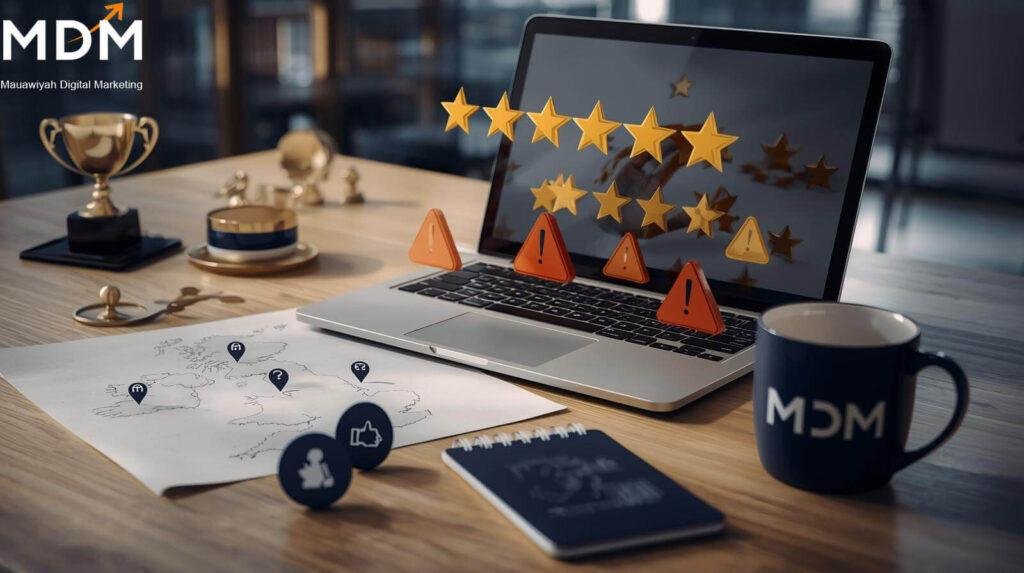
Fake reviews now face explicit prohibition. This regulatory shift eliminates previous grey areas where businesses risked only reputational damage if caught manipulating reviews.
Review solicitation policies require documentation. Businesses must document their policy for soliciting, moderating, and publishing reviews whilst training staff.
Incentivised reviews remain prohibited. Offering discounts, competition entries, or other benefits in exchange for reviews constitutes illegal manipulation regardless of whether incentives condition on positive sentiment.
Review platform obligations increased with requirements for verification processes preventing fake submissions.
Non-compliance consequences escalated substantially. Beyond reputational damage, the CMA’s direct fining powers enable financial penalties potentially reaching tens of thousands of pounds.
Consumer Behaviour Shifts Driving Review Importance
Understanding how UK customers actually use local reviews in 2026 informs effective strategies:
Mobile research dominates pre-purchase behaviour with prospects checking reviews whilst standing outside business premises, sitting in vehicles deciding which tradesperson to call, or comparing options during lunch breaks.
Recency now outranks raw volume. Prospects rarely trust reviews older than six to twelve months for local services. Businesses with fifty reviews from 2022-2023 underperform competitors with thirty reviews from the past six months.
Negative review handling influences purchasing decisions powerfully. Professional, non-defensive responses acknowledging issues whilst explaining resolutions demonstrate accountability building trust.
Specific details within reviews guide selection. Reviews explaining “they arrived within two hours despite busy period, diagnosed boiler issue accurately, explained repair options clearly, and charged exactly quoted price” enable prospects to evaluate fit for their specific needs.
Review distribution across platforms affects discovery.
Building Local Reviews Ethically Under 2026 Regulations
Generating authentic reviews whilst maintaining CMA compliance requires systematic approaches:
Request reviews from all customers consistently rather than selectively asking only satisfied clients. Selective solicitation violates regulations by filtering feedback before it reaches public platforms.
Timing requests appropriately maximises response rates ethically. Ask after value delivery confirmation—completed projects, resolved problems, satisfied outcomes.
Simplify the review process removing friction. Provide direct links to your Google Business Profile review page rather than expecting customers to navigate there independently. Text or email containing clickable links performs substantially better.
Avoid incentives whilst acknowledging appreciation appropriately. “We appreciate you taking time to share your experience” maintains professionalism without offering prohibited inducements.
Respond to all reviews publicly demonstrating engagement and accountability. Thank positive reviewers briefly; address negative reviews professionally.
Monitor review platforms regularly identifying new testimonials requiring responses.
A Halesowen-based electrician had 9 Google reviews (average 4.6 stars) from 2021-2023. Competitors had 40-80 recent reviews. He wasn’t getting found despite 15 years’ excellent work.
Implementation: Added review request to completion email template with direct Google review link. Trained apprentice to verbally request reviews after every satisfied job. Set calendar reminder to respond to all reviews weekly.
Results over 6 months:
- Reviews grew from 9 to 64 (all authentic, no incentives)
- Average rating improved to 4.9 stars
- Google Business Profile impressions increased 340%
- Monthly enquiries rose from 8 to 23
- Conversion rate improved from 38% to 52% (prospects pre-sold by reviews)
His insight: “I thought asking for reviews were pushy. Turns out customers were happy to help—I just never asked. The reviews didn’t make me a better electrician. They made me visible to people already searching for electricians.”
The transformation wasn’t skill—it was systematic review generation making existing reputation visible.
What Makes Local Reviews Actually Convert Prospects
Review quality determines conversion impact beyond mere star rating accumulation.
Outcomes convert because prospects imagine themselves achieving the same results. “They increased our website enquiries from three to fifteen monthly within four months” provides concrete evidence.
Before-after contrasts create compelling narratives. “We struggled with accounting chaos until they implemented systems organising everything efficiently” tells relatable stories.
Emotional honesty builds authenticity. Reviews acknowledging initial scepticism overcome through positive experiences—”I was nervous hiring remotely but their communication exceeded expectations”—feel genuine.
Problem-solving emphasis demonstrates capability. Reviews explaining how businesses addressed unexpected complications or went beyond contractual obligations showcase character under pressure.
Professional detail appropriate to audience sophistication aids evaluation.
Recent timestamps signal current relevance. Reviews from the past three months carry substantially more weight.
Measuring Local Review Impact on UK SME Revenue
Proving whether review efforts produce commercial outcomes requires specific measurement beyond tracking review counts.
Correlate review growth with enquiry volume monthly identifying whether increased reviews coincide with enquiry increases. If monthly enquiries rose from twelve to eighteen simultaneously with reviews growing from thirty to fifty, correlation suggests causation worth investigating further.
Track conversion rates by review volume threshold comparing enquiry-to-customer conversion before reaching fifty reviews versus after accumulating one hundred reviews. If conversion improves from 15% to 25% as review volume grows, reviews influence purchasing confidence measurably.
Monitor competitor review activity identifying whether you maintain parity or fall behind local rivals. If competitors accumulate reviews faster, your relative disadvantage increases regardless of absolute numbers. Competitive benchmarking reveals whether efforts suffice for market position.
Survey customers asking how reviews influenced their selection decisions. Simple post-purchase questions—”Did online reviews affect your choice to contact us?”—quantify review impact directly through customer acknowledgment rather than inferring from correlational data.
Calculate customer lifetime value by discovery source comparing customers acquired through review-driven research versus other channels. If review-attracted customers demonstrate superior retention or purchase values, review investment justifies emphasis beyond immediate conversion metrics.
Review Google Search Console data examining impressions and clicks for branded queries versus service queries, correlating changes with review volume growth. Improved visibility for non-branded searches suggests reviews strengthen overall search performance beyond direct review platform traffic.
Most UK SMEs do not measure enquiry sources or conversion rates, which is precisely why they misjudge the value of reviews.
Practical Implementation Steps This Week
Transforming understanding of local reviews into operational improvement requires structured execution.
First, audit current review profiles across Google, Trustpilot, and relevant industry platforms. Document total reviews, average ratings, review recency, and response rates establishing baseline for improvement measurement.
Second, create standardised review request message templates that comply with regulations whilst feeling natural rather than corporate. Draft versions for email, text, and verbal requests ensuring consistency across channels.
Third, implement systematic review requesting at appropriate project completion points. Every satisfied customer should receive review invitations consistently rather than sporadic requesting when you remember.
Fourth, establish weekly review monitoring checking all platforms for new testimonials requiring responses. Schedule specific times preventing review management from becoming forgotten task displaced by daily urgencies.
Fifth, train all customer-facing staff on proper review solicitation explaining what regulations permit, why reviews matter, and how to request them professionally without creating pressure or offering prohibited incentives.
Finally, track monthly review accumulation, response rates, and enquiry correlation proving whether systematic efforts produce measurable business outcomes justifying continued investment.
Final Thoughts
Local reviews in 2026 function as foundational competitive requirements rather than optional marketing enhancements for UK SMEs. The businesses generating consistent enquiries share common characteristics: abundant recent reviews, professional response practices, multi-platform presence, and systematic requesting disciplines generating steady testimonial flow.
New CMA regulations eliminated shortcuts previously tempting businesses toward fake reviews or selective solicitation. Compliance now requires documented policies, consistent requesting, and authentic testimonial accumulation without manipulation or incentives.
Start systematic review generation this week rather than waiting for perfect processes. Request reviews from next five satisfied customers. Respond to existing testimonials professionally. Build momentum through disciplined execution rather than sporadic intensity followed by neglect.
Many UK SMEs lose enquiries not because competitors are better, but because competitors look better. Reviews are perception economics. Businesses providing excellent work but neglecting review generation lose enquiries to inferior competitors maintaining stronger online reputations.
Begin building review assets immediately. Your competitors accumulate testimonials daily whilst you delay. Every week without systematic review requesting allows rivals to strengthen advantages that compound over months into insurmountable leads.
About the Author
Dr Mauawiyah Hussan is a Doctorate-qualified digital marketing consultant and founder of Mauawiyah Digital Marketing. He works with small and medium-sized businesses across the UK to improve online visibility, generate qualified leads, and build sustainable growth through structured, evidence-based digital strategies.
Mauawiyah Digital Marketing offers structured local SEO and Google Business Profile optimisation designed around UK search behaviour and compliance with Google’s latest guidelines.
Short on time? You can discuss this directly with us on WhatsApp.